
Textile Printing Machines - DTF, Direct-to-Textile & Sublimation
Commercial-grade textile printing machines sourced direct from China and delivered across the UK. Our range covers DTF (direct-to-film), direct-to-textile, hybrid, and sublimation technologies; each suited to different fabrics, volumes, and finish requirements. Whether you’re decorating cotton garments, polyester sportswear, or mixed-substrate runs, we stock production-ready equipment with UK-based installation, training, and support included.
Browse the range below or contact our team for a free consultation to match the right machine to your workflow.

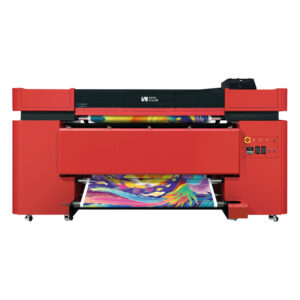
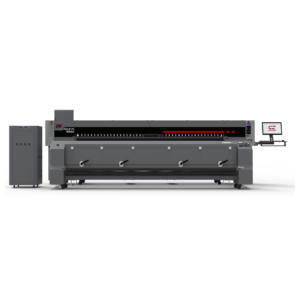


Enquire with our team
What Is a Textile Printing Machine?
A textile printing machine deposits ink directly onto fabric, or onto a transfer medium that bonds to fabric; to produce vivid, wash-fast results across garments, soft signage, sportswear, and promotional textiles. The category covers everything from digital textile printers that jet pigment ink straight into the cloth weave, to film-based transfer systems that work on virtually any fibre type.
The shift from screen printing to digital has been decisive. Where screen printing demands setup time, physical screens, and minimum run commitments, a modern printing fabric machine runs from a digital file, produces accurate colour on the first unit, and scales from a single item to a full production shift without changing the process. For most commercial decorating businesses, digital is now the default – the question is which digital technology fits your workflow.
What Can You Print On?
A textile printer in the commercial sense covers a far wider substrate range than most buyers initially expect. Across the four technologies in this category, typical applications include:
- Garments & Apparel: t-shirts, hoodies, sportswear, activewear, workwear, uniforms, caps
- Soft Furnishings & Promotional: tote bags, fabric banners, cushion covers, polyester soft signage, promotional textiles
A t-shirt printing machine is often the entry point for buyers new to garment decoration, but the same production platforms handle soft signage, cut-and-sew panels, and promotional runs just as readily. If your substrate mix is varied, that’s worth factoring into the technology decision from the outset.
Which textile printing machine do I need?
The right fabric printing machine depends less on the machine and more on what you print and who you print it for. Most buyers fit one of three profiles.
Garment printers. You decorate t-shirts, hoodies, workwear and uniforms, often in short runs on mixed fabrics. A DTF garment printer handles cotton, polyester and blends, light or dark, with no pre-treatment. If your work is mainly 100% cotton and you want the softest feel, look at our direct-to-textile printers.
Soft furnishings and fabric by the metre. You print cushion covers, curtains, upholstery panels, fabric banners or cut-and-sew panels from the roll. A roll-fed direct-to-textile printer prints straight into the cloth. A hybrid textile printer gives you flexibility if you switch between fabric types.
Promotional goods and sportswear. You produce polyester sportswear, flags, soft signage, lanyards and branded promotional textiles. A sublimation printer gives vivid, permanent colour with no hand feel and the lowest cost per print on polyester.
Not sure which profile fits? Tell us your fabrics and weekly volumes and we’ll recommend the right textile printer machine.
DTF vs DTG vs Sublimation
Each textile printing technology suits a different fabric mix and type of business. Here’s how they compare.
| DTF (direct-to-film) | DTG / direct-to-textile | Sublimation |
|---|---|---|---|
Setup cost | Moderate: printer plus powder shaker/dryer and heat press | Moderate to high: printer plus pre-treatment and heat press | Lowest entry point; scales up to high-volume roll machines |
Fabric compatibility | Almost any fibre: cotton, polyester, blends, nylon, light or dark | Best on 100% cotton and high-cotton blends | Polyester and polymer-coated items only; white or light colours |
Pre-treatment | None | Yes, especially for dark garments | None |
Speed | Fast in batches; transfers can be printed ahead and pressed on demand | One garment at a time | Very fast, especially roll-to-roll |
Per-unit cost | Low to moderate (ink, film and powder) | Higher on dark garments (white ink and pre-treat) | Lowest |
Feel and finish | Thin, flexible print layer on top of the fabric | Soft; ink sits in the fibres | No hand feel; dye becomes part of the fabric |
Best use case | Mixed-fabric garment decoration and short runs | Premium cotton t-shirts and retail apparel | Sportswear, soft signage, flags and promotional products |
If you print on a wide mix of garments, DTF is usually the most flexible starting point. If your work is mostly polyester, sublimation gives the lowest cost per print. Many businesses run two technologies side by side, and our team can help you decide whether a single textile printer machine or a combination suits you best.
Why Source Your Textile Printer from China Print Supplies?
- Direct manufacturer sourcing – pay less for the same machine spec. We source every textile print machine direct from the factory, cutting out the distribution layers that inflate prices at traditional UK resellers. You’re paying for the machine, not the supply chain.
- UK-based support team – installation, training, and aftercare. Buying from us isn’t a drop-ship transaction. Our team handles installation guidance, operator training, and ongoing technical support. When something needs attention, you reach someone who knows the machine.
- UK delivery included – no freight surprises. We manage the full logistics chain from factory to your door. Customs clearance, freight, and last-mile delivery are handled. Your machine arrives on time, without you navigating international shipping.
- Expert pre-sales advice – matched to your workflow, not a sales target. We’ll ask the right questions before recommending anything. Fabric types, daily output targets, consumable budgets – we match the machine to the business, with no upselling to a spec you don’t need.
Frequently Asked Questions
What is the difference between DTF and direct-to-textile printing?
DTF (direct-to-film) prints onto a PET transfer film, which is then heat-pressed onto the garment. It requires no fabric pre-treatment and works on virtually any fibre type, including dark and blended fabrics. Direct-to-textile (sometimes called DTG-style) prints pigment ink directly into the fabric surface, producing a softer hand feel – but it performs best on 100% cotton and requires pre-treatment spray for consistent results. The right choice depends on your fabric mix and the finish your customers expect.
Can textile printing machines print on cotton?
Yes – though the best technology for cotton depends on the process. Direct-to-textile machines deliver the softest, most natural finish on 100% cotton. DTF machines also print on cotton without pre-treatment, making them a strong choice for mixed-fabric businesses. Sublimation is not suitable for cotton, as it requires polyester or polymer-coated substrates to work correctly.
Do I need pre-treatment for textile printing?
It depends on the technology. DTF and sublimation require no fabric pre-treatment – the process handles colour accuracy and adhesion without it. Direct-to-textile machines printing on cotton do require a pre-treatment spray to be applied before printing; this ensures ink adhesion and wash-fastness. Hybrid machines vary by mode. We’ll walk you through the full process requirements for whichever technology you’re evaluating.
What support is included with purchase?
Every machine we sell comes with UK-based technical support, remote installation guidance, and operator training to get your production running from day one. Our team covers RIP software setup, consumables advice (inks, films, powders, pre-treatment), and ongoing workflow questions as your business scales. We’re not a one-time transaction – we support the machine throughout its working life.
DTF or sublimation – which is right for my business?
It comes down to your fabrics. DTF works on almost any fibre, including cotton and dark garments, so it suits businesses decorating a mix of t-shirts, hoodies and workwear. Sublimation only works on polyester and polymer-coated items in white or light colours, but it gives the lowest cost per print and a finish with no hand feel. That makes it ideal for sportswear, soft signage and promotional products. If you print both, many businesses run the two side by side.